
This article contains affiliate links. We may earn a commission at no extra cost to you.

Outerwear choices often appear simple on the surface, yet subtle construction differences can significantly affect warmth, comfort, durability, and styling versatility. One of the most frequently debated comparisons in modern cold-weather fashion is puffer jacket vs padded jacket. Both styles are designed to provide insulation, both are widely available across price ranges, and both are used for everyday wear as well as seasonal layering.
However, they are not interchangeable. A clear understanding of the differences in construction, insulation, performance, and purpose is key to choosing the right option. This comparison evaluates both jackets based on practical wear rather than trends or promotional claims.
What Is a Puffer Jacket?
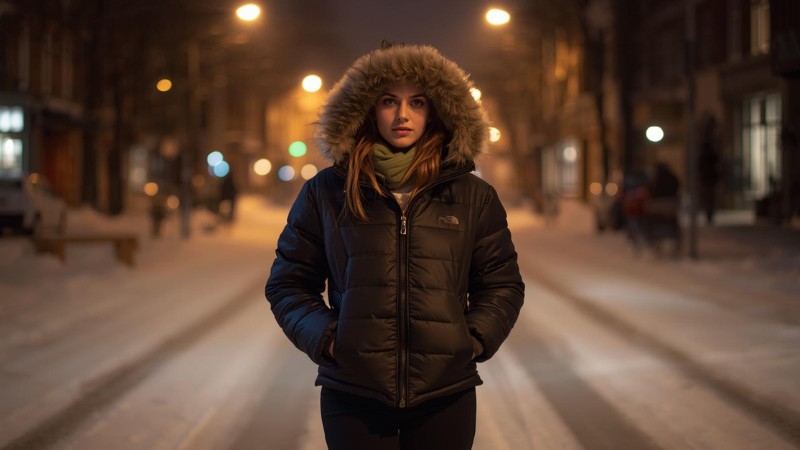
A puffer jacket is defined by its distinctive quilted design, where insulation is contained in stitched compartments known as baffles. These baffles create a raised, “puffed” appearance and serve a functional purpose: they prevent insulation from shifting and maintain even heat distribution.
Most puffer jackets use down insulation, synthetic fibers, or a blend of both. Down-filled puffers are valued for their exceptional warmth-to-weight ratio, while synthetic alternatives offer improved moisture resistance and easier maintenance. The outer shell is typically made from lightweight nylon or polyester with a tightly woven structure that minimizes heat loss.
From a construction standpoint, puffer jackets prioritize thermal efficiency. The segmented design traps air effectively, making this style particularly suitable for cold climates and extended outdoor exposure. Lengths vary from cropped silhouettes to knee-length options, allowing adaptation across casual and performance-oriented wardrobes.
What Is a Padded Jacket?

A padded jacket refers to a broader category of insulated outerwear that uses internal padding without the pronounced baffle structure seen in puffer jackets. Instead of visible quilting, padding is often distributed evenly between the outer shell and lining, resulting in a smoother and more streamlined appearance.
Padded jackets commonly use synthetic insulation, such as polyester batting, designed to provide moderate warmth while maintaining shape. The outer fabrics tend to be slightly heavier and more structured, which contributes to a cleaner silhouette suitable for everyday urban wear.
This jacket type is often favored for its versatility. It bridges the gap between functional outerwear and casual fashion, making it appropriate for commuting, daily errands, and mild winter conditions where extreme insulation is unnecessary.
Puffer vs Padded Jacket: Which Is Warmer?
When evaluating warmth, the puffer jacket vs padded jacket comparison reveals a clear distinction rooted in insulation technology.
Puffer jackets generally provide higher thermal efficiency due to their lofted construction. The baffles create air pockets that retain body heat, particularly in down-filled models. This makes puffers more effective in cold, windy, or snowy environments where heat retention is critical.
Padded jackets, while insulated, typically offer moderate warmth. The insulation layer is thinner and less structured, which limits heat trapping compared to puffers. As a result, padded jackets are better suited for cool to cold conditions rather than severe winter climates.
In terms of pure insulation performance, puffer jackets consistently outperform padded jackets, especially during prolonged outdoor wear.
Weight & Comfort: Is a Puffer Jacket Lighter?
Despite their voluminous appearance, puffer jackets are often lighter than padded jackets when comparing warmth levels. Down-filled puffers, in particular, provide substantial insulation with minimal weight, enhancing comfort during extended wear.
Padded jackets may feel heavier due to denser outer fabrics and compact insulation. While this can add a sense of structure, it may reduce flexibility and breathability during movement.
Comfort also extends to mobility. Puffers designed with ergonomic paneling and lightweight shells allow easier layering and freer arm movement. Padded jackets, while comfortable for short-term wear, may feel restrictive during long periods of activity.
Style & Fit: Which Jacket Looks Better?
Style evaluation depends largely on context, and this is where padded jackets often gain an advantage.
Puffer jackets project a functional, sporty aesthetic. Their quilted design and volume align well with casual outfits, winter travel looks, and outdoor-focused styling. However, the bulk can sometimes overpower tailored or minimalist outfits.
Padded jackets offer a sleeker and more refined silhouette. With a more refined surface and slim profile, they fit naturally into everyday styling. They pair easily with jeans, trousers, knitwear, and casual footwear, making them suitable for work commutes and urban settings.
In fashion-forward contexts where subtlety and versatility matter, padded jackets tend to appear more polished, while puffers prioritize practicality.
Durability & Long-Term Performance: Which Jacket Lasts Longer?
Durability is influenced by both fabric choice and construction quality.
Puffer jackets typically use lightweight outer shells, which may be more prone to damage without proper reinforcement. Down-filled models also require careful maintenance to preserve loft over time. However, high-quality puffers with reinforced stitching and durable shell fabrics can maintain performance for years.
Padded jackets typically use thicker outer materials, offering better resistance to abrasion and daily wear. Synthetic padding also retains shape more consistently and is less affected by moisture, making padded jackets easier to maintain in the long term.
From a longevity perspective, padded jackets often demand less upkeep, while puffer jackets require more careful handling to sustain optimal insulation.
Price Comparison: Which Jacket Is Cheaper?
Price differences within the puffer jacket vs padded jacket category vary significantly based on insulation type and brand positioning.
Puffer jackets with premium down insulation often sit at higher price points due to material costs and specialized construction. Synthetic puffers are more affordable but still tend to cost more than basic padded jackets.
Padded jackets are generally more budget-friendly, especially for everyday wear. Their simpler construction and widespread use of synthetic materials allow for lower production costs without sacrificing basic functionality.
For consumers prioritizing value and daily use, padded jackets often present a more economical option.
Sustainability: Which Jacket Is Better for the Environment?
Sustainability considerations differ between the two styles.
Down-filled puffer jackets raise ethical and environmental concerns unless responsibly sourced. Certifications and recycled shell fabrics can mitigate impact, but production remains resource-intensive.
Padded jackets using recycled synthetic insulation offer improved sustainability profiles. Many modern designs incorporate recycled polyester shells and padding, reducing reliance on virgin materials.
Overall, padded jackets currently offer more accessible eco-conscious options, though responsible puffer jackets are increasingly available in the market.
When to Choose a Puffer Jacket (Climate & Use Case)
A puffer jacket is the better option when insulation performance is the priority rather than styling subtlety.
Choose a puffer jacket if:
- The climate involves consistently low temperatures
- Outdoor exposure is prolonged or frequent
- Lightweight warmth is essential for comfort
- Layering flexibility is needed for travel or winter activities
- Function outweighs visual minimalism
These conditions highlight where the thermal efficiency of a puffer jacket becomes most valuable.
When to Choose a Padded Jacket (Daily Wear Use Case)
A padded jacket is better suited for everyday environments where balance and versatility matter.
Choose a padded jacket if:
- Winter temperatures remain cool rather than extreme
- Daily wear includes commuting or casual outings
- A slimmer, more polished look is preferred
- Easy maintenance is important
- The jacket needs to pair well with varied outfits
This makes padded jackets a practical option for routine urban wear.
Buying Guide: How to Choose the Right Jacket
This section benefits most from bullet points because it supports decision-making and improves mobile usability.
When choosing between a puffer jacket and a padded jacket, evaluate:
- Climate severity: colder regions favor puffers; milder winters favor padded jackets
- Usage duration: extended outdoor wear requires higher insulation
- Activity level: lightweight puffers suit movement; padded jackets suit static daily use
- Styling needs: puffers lean casual; padded jackets integrate easily into everyday outfits
- Maintenance tolerance: Synthetic padding requires less care than down insulation
- Budget range: Padded jackets generally offer lower entry pricing
- Sustainability preference: recycled synthetic padding may align better with eco-conscious choices
Balancing these factors ensures the jacket fits both lifestyle and environment.
Final Verdict: Puffer Jacket vs Padded Jacket
The puffer jacket vs padded jacket comparison highlights two distinct approaches to winter outerwear. Puffer jackets are designed to maximize insulation while remaining lightweight, ideal for cold weather and prolonged outdoor wear. Padded jackets focus on everyday practicality, cleaner aesthetics, and ease of wear, aligning well with moderate winter conditions and daily routines. The right choice depends on climate demands, styling priorities, and comfort expectations rather than trend or popularity.
