
This article contains affiliate links. We may earn a commission at no extra cost to you.
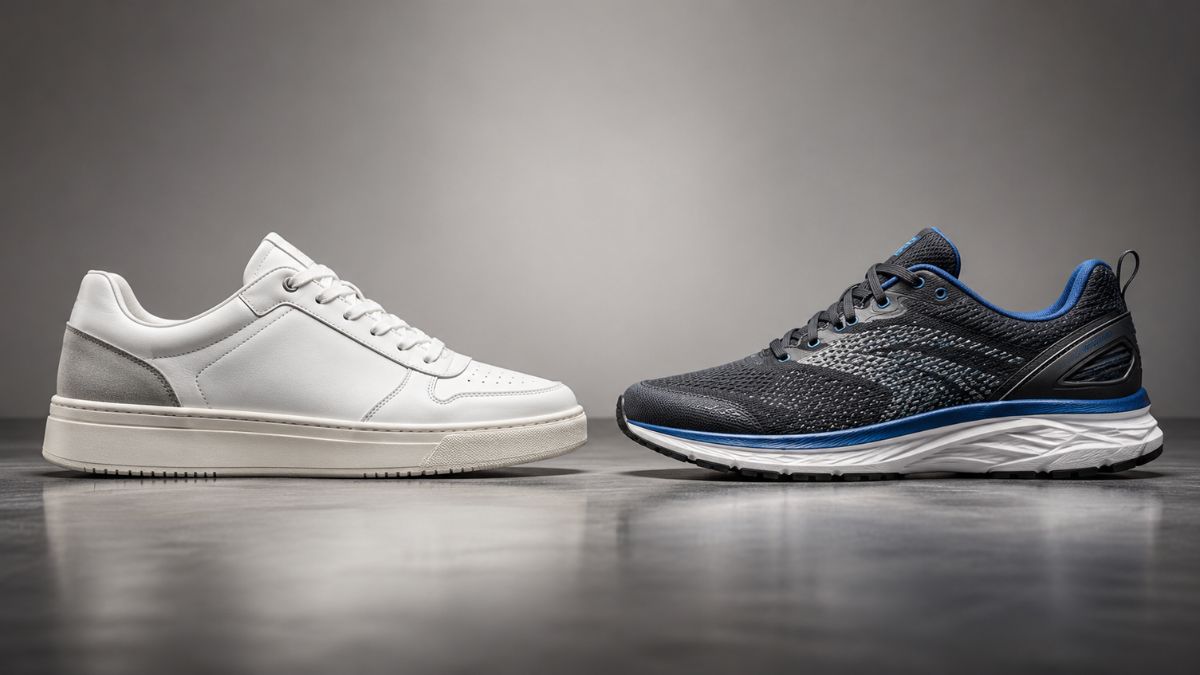
At first glance, sneakers and running shoes look almost the same. Both are comfortable, lightweight, and available in countless styles, so it’s easy to assume they’re interchangeable. The similarities end there, though. Each type of shoe is made with a different purpose in mind, and choosing the right one can have a noticeable impact on your comfort, support, and overall foot health.
If you’re mainly walking, commuting, or wearing your shoes casually, a good pair of sneakers will usually meet your needs. But if you run regularly or spend long hours exercising, running shoes offer the extra cushioning and support needed to handle repeated impact.
In this guide, you’ll learn the key differences between sneakers and running shoes, how each performs in everyday situations, and which option is the better fit for your lifestyle.
Sneakers vs Running Shoes: Quick Comparison
| Feature | Sneakers | Running Shoes |
|---|---|---|
| Primary Purpose | Everyday wear | Running and fitness |
| Cushioning | Moderate | High |
| Support | Basic | Advanced |
| Weight | Varies by style | Usually lightweight |
| Breathability | Moderate to High | High |
| Flexibility | Moderate | Designed for natural running motion |
| Best For | Casual outfits, walking, travel | Running, jogging, workouts |
| Durability | Daily casual wear | High-impact activities |
What Are Sneakers?
Sneakers are made for everyday wear, offering a comfortable fit and a style that works with most casual outfits. While they were originally created as simple rubber-soled footwear, they’ve become one of the most versatile shoe styles available today. One reason sneakers remain so popular is that they transition effortlessly from daily errands to social occasions.
Unlike running shoes, sneakers aren’t built for one specific activity. Instead, they’re made to handle the demands of everyday life while remaining comfortable enough to wear for hours at a time. Because they work in so many situations, sneakers have earned a permanent place in most people’s wardrobes.
Another reason sneakers remain so popular is the huge variety of styles available. From classic canvas designs to premium leather models and modern streetwear releases, there’s a sneaker to match almost every outfit and personal preference.
Popular Types of Sneakers
Low-Top Sneakers
Low-top sneakers sit below the ankle, creating a lightweight and relaxed feel. Their simple design makes them one of the easiest shoes to wear with casual outfits, whether you prefer denim, shorts, or joggers. Sneakers continue to be a go-to option because they feel comfortable and work well in a wide range of everyday situations.
High-Top Sneakers
High-top sneakers extend above the ankle, giving them a sport-inspired appearance. Originally associated with basketball, they have become a fashion favorite for anyone who enjoys a bold, streetwear-inspired look. While they provide slightly more ankle coverage than low-top styles, they’re primarily chosen for their distinctive design rather than extra support.
Slip-On Sneakers
Slip-on sneakers eliminate traditional laces, making them quick and convenient to wear. They’re ideal for busy mornings, travel, or anyone who prefers footwear that can be put on and taken off with minimal effort. Despite their simple design, many modern slip-on sneakers include cushioned insoles that make them comfortable enough for everyday wear.
Canvas Sneakers
Canvas sneakers are known for their lightweight construction and breathable fabric, making them especially comfortable during warmer months. Their clean, casual appearance works well with relaxed outfits, and they’re available in countless colors and patterns to suit different personal styles.
Leather Sneakers
Compared with canvas sneakers, leather versions offer a more polished appearance without sacrificing everyday comfort. They transition easily from weekend outfits to smart-casual settings, making them a practical option for people who want one versatile pair of shoes for multiple occasions.
What Are Running Shoes?
Running shoes are built for movement. Every run places repeated stress on your feet, ankles, and knees, so these shoes are designed to cushion each step and provide extra support where it’s needed most.
Compared with everyday sneakers, running shoes usually feature softer midsoles, breathable uppers, and durable outsoles that improve comfort during longer runs and high-impact workouts. The goal isn’t just to make running feel easier but also to reduce the strain that repeated impact places on your body.
Advances in footwear design mean runners can choose shoes that better match their feet, running style, and preferred terrain. Whether you run on city streets, park trails, or a treadmill, choosing the right pair can improve both comfort and performance.
Common Types of Running Shoes
Road Running Shoes
Road running shoes are built for hard, even surfaces such as roads, sidewalks, and paved paths, where consistent cushioning is especially important. They focus on lightweight cushioning and flexibility, making them the preferred choice for everyday road runners.
Trail Running Shoes
From forest trails to mountain paths, trail running shoes are designed to improve traction and stability on unpredictable terrain. They feature deeper tread patterns for improved grip and stronger construction to protect your feet from rough surfaces.
Stability Running Shoes
Stability running shoes provide additional support for runners whose feet roll inward more than normal while running. Their reinforced design helps improve alignment and offers a more controlled stride without sacrificing comfort.
Neutral Running Shoes
Neutral running shoes are made for runners whose feet move naturally through each stride without needing additional stability features. Instead of feeling overly stiff, these shoes let your feet move freely while helping absorb the impact of every step.
Lightweight Running Shoes
Designed with speed in mind, lightweight running shoes reduce unnecessary weight while maintaining essential cushioning and responsiveness. They’re popular among experienced runners looking for a faster, more efficient ride.
Also Read: Hey Dude vs Skechers
Do Sneakers and Running Shoes Serve the Same Purpose?
At first glance, sneakers and running shoes can seem almost identical, but they’re made for different situations. Sneakers are designed for everyday life, whether you’re commuting, meeting friends, traveling, or simply spending the day on your feet. They balance comfort with style, which is why they work well with so many casual outfits.
Running shoes take a different approach. Instead of focusing on appearance, they’re built to handle the repeated impact that comes with running and other high-energy activities. Extra cushioning, improved support, and a more performance-focused design help keep your feet comfortable during longer periods of movement.
If you mostly need a shoe for daily wear, a good pair of sneakers will usually do the job. If running, jogging, or regular workouts are part of your routine, running shoes are often the smarter choice because they’re designed to keep up with those demands.
Sneakers vs Running Shoes: What’s the Difference?
Purpose
Although sneakers and running shoes may look alike, they’re made for different purposes. Sneakers are designed for everyday comfort and casual wear, while running shoes are built to support your feet during repetitive, high-impact activities. Understanding these differences helps you choose the pair that fits your lifestyle and daily activities.
The main difference comes down to how each shoe is meant to be used.
Sneakers are everyday shoes that work well for commuting, shopping, traveling, and casual outings. Their everyday design makes them comfortable to wear while fitting naturally into most casual wardrobes.
Unlike sneakers, running shoes are intended for activities that place repeated stress on your feet. Their cushioning, support, and sole design are intended to reduce impact and keep your feet comfortable during running, jogging, and other repetitive movements.
Comfort
Both types of shoes are comfortable, but they deliver comfort in different ways.
Sneakers focus on all-day wear. They’re a good choice for everyday activities because they provide enough cushioning for walking, standing, and general use without feeling too bulky.
Running shoes are built for continuous movement. Their softer midsoles absorb more impact with every step, helping reduce stress on your feet and joints during longer walks, runs, or workouts.
Cushioning
One of the first things you’ll notice when comparing these shoes is how much cushioning each one offers.
Most sneakers have moderate cushioning that feels comfortable during everyday activities. The goal is to create a balanced feel that’s suitable for walking and casual wear.
Running shoes use thicker, more responsive foam that absorbs repeated impact more effectively. This extra cushioning helps improve comfort during longer runs, brisk walks, or other high-impact activities where your feet experience greater stress.
Support and Stability
As your activity level increases, proper support becomes much more important.
For everyday activities like commuting, shopping, or casual walks, sneakers provide the comfort and support most people need.
Running shoes provide additional stability to help keep your feet properly aligned during repeated movement. Many models include supportive heel counters and structured midsoles that improve balance and reduce strain while running.
Weight
Many people assume all running shoes are lighter than sneakers, but that’s not always true.
The weight of a sneaker depends on its materials and design. Canvas styles are often very lightweight, while leather sneakers or fashion-focused models can feel heavier.
Most running shoes are made to feel light on your feet while still delivering the cushioning and stability needed for running. Carrying less weight on your feet can make longer runs and walks feel noticeably less tiring.
Breathability
Shoes with better ventilation allow heat and moisture to escape more easily, helping your feet stay fresher for longer.
Depending on the style, sneakers may feature canvas, leather, knitted uppers, or lightweight synthetic materials. Some offer excellent ventilation, while others focus more on appearance than airflow.
To improve comfort during exercise, many running shoes incorporate mesh panels that let air move more freely around your feet. This added ventilation helps keep your feet cooler during exercise and can make long walks or runs more comfortable.
Flexibility
Both sneakers and running shoes bend naturally as you walk, but they’re designed to move in different ways.
Sneakers provide enough flexibility for everyday movement while maintaining a stable feel for casual wear.
Running shoes are made to move with your feet during each stride. Their flexible sole design helps create a smoother transition from heel strike to toe-off, making repeated movement feel more natural.
Durability
How long a pair of shoes lasts depends on both its construction and how it’s used.
Sneakers are made to keep up with everyday life, offering reliable comfort for regular walking and casual activities. With regular care, a quality pair can remain comfortable and look good for a long time.
Regular running places extra stress on your feet and joints, which is why running shoes include features that help manage repeated impact. Their durable outsoles resist wear well, but the cushioning gradually loses its effectiveness over time. If you run regularly, replacing your shoes when the cushioning starts to break down helps maintain comfort and support.
Can You Run in Sneakers?
You can use sneakers for a short jog or occasional run, but they aren’t the best choice for regular running.
Because sneakers aren’t designed to absorb repeated impact, your feet may become tired more quickly during longer runs. They also provide less structured support than dedicated running shoes, particularly if you’re running several times a week.
If running is only an occasional activity, sneakers may be adequate for short distances. However, if you run regularly or train consistently, investing in a quality pair of running shoes will provide better comfort, support, and long-term performance.
Are Running Shoes Good for Everyday Wear?
Yes. Running shoes aren’t just for runners. Many people wear them every day because they’re lightweight, comfortable, and provide extra cushioning for long hours on their feet.
If you spend most of the day walking, commuting, or standing at work, running shoes can feel more comfortable than many casual sneakers. The only downside is their sporty look, which may not suit every outfit or occasion.
If style is your priority, sneakers are usually the better choice. If all-day comfort matters more, running shoes are hard to beat.
Which Is Better for Walking?
If your walks are short and mostly part of your daily routine, sneakers are usually more than adequate. They’re comfortable, stylish, and easy to wear with almost any casual outfit.
For longer walks, travel, or spending several hours on your feet, running shoes generally provide better cushioning and shock absorption. That extra support can make a noticeable difference by the end of the day, especially when walking on hard surfaces like concrete or pavement.
Ultimately, the better choice depends on how far you walk, how often you’re on your feet, and whether comfort or everyday style is your top priority.
Also Read: Sneaker Fit vs. Dress Shoe Fit
How to Choose Between Sneakers and Running Shoes
Choosing the right footwear starts with understanding how you plan to use it. While both sneakers and running shoes are comfortable, they perform best in different situations. Thinking about your daily routine, activity level, and personal preferences will make it much easier to find the right pair.
Consider Your Daily Activities
If your day mostly involves commuting, running errands, meeting friends, or spending time in casual settings, sneakers are often the better choice. Their versatile design pairs well with a wide variety of outfits while providing enough comfort for everyday walking.
If you regularly run, jog, or participate in fitness activities, running shoes are the more suitable option. They’re built to handle repetitive impact and provide the support needed during exercise.
Think About Comfort
Comfort means different things depending on how you use your shoes.
Sneakers usually provide a balanced level of cushioning that’s ideal for everyday wear. They feel comfortable during normal daily activities without looking overly sporty.
Running shoes focus more on protecting your feet during continuous movement. Their extra cushioning helps reduce impact, making them a better choice if you spend long hours walking or exercising.
Trying on different styles and walking around in them is one of the easiest ways to find the pair that feels most comfortable.
Choose Based on Your Lifestyle
Your lifestyle should play a major role in your decision.
If you want one pair of shoes that works with jeans, chinos, shorts, and other casual clothing, sneakers are hard to beat. They offer excellent versatility and can easily transition from weekday errands to weekend outings.
Running shoes are more specialized. Although many modern designs look stylish enough for everyday wear, they’re primarily created to deliver comfort and performance during physical activity.
Pay Attention to Fit
A well-fitting shoe is just as important as choosing the right type.
A proper fit allows your toes to move freely without squeezing them, and your heel should stay secure instead of slipping with each step. Shoes that are too tight may cause discomfort, while shoes that are too loose can reduce stability.
Since sizing varies slightly between brands, it’s always worth checking the manufacturer’s sizing guide before making a purchase.
Consider Durability
If your shoes will mainly be used for casual activities, a quality pair of sneakers should provide reliable everyday performance for a long time.
If you run several times each week, running shoes are designed to withstand repeated impact more effectively. Even though they may eventually lose some of their cushioning with heavy use, they’re built specifically for the demands of regular training.
Frequently Asked Questions
Are Running Shoes Good for Everyday Wear?
Yes. Running shoes aren’t only meant for running. Many people wear them every day because they’re lightweight, well-cushioned, and comfortable enough for walking, commuting, or standing for long periods. If comfort matters more than style, they’re an excellent everyday option.
Should You Walk in Running Shoes?
Yes. Running shoes work very well for walking, especially if you spend several hours on your feet or cover longer distances. Their extra cushioning helps absorb impact and can reduce foot fatigue compared to many casual shoes.
Are Running Shoes Better Than Sneakers?
It depends on how you plan to use them. Running shoes are the better choice for running, jogging, and other high-impact activities because they provide more cushioning and support. Sneakers, however, are usually more practical for everyday wear thanks to their versatile design and casual style.
Can You Wear Sneakers to the Gym?
Yes, as long as your workouts are fairly light. Sneakers are suitable for strength training, stretching, or general gym sessions. If your routine includes running on a treadmill, HIIT workouts, or other high-impact exercises, running shoes will usually provide better comfort and protection.
When Is It Time to Replace Your Running Shoes?
There’s no fixed replacement schedule because it depends on how often you run and the surfaces you train on. As the cushioning wears down over time, the shoes become less supportive. If they no longer feel as comfortable as they once did or show noticeable signs of wear, it’s time to replace them.
Final Verdict: Sneakers vs Running Shoes
There’s no clear winner when comparing sneakers and running shoes because they serve different purposes.
If your day revolves around commuting, casual outings, travel, or everyday wear, sneakers are usually the better option. Whether you’re heading to work, meeting friends, or running errands, sneakers fit naturally into most casual wardrobes.
If running, long walks, or regular workouts are part of your routine, running shoes are the smarter investment. Their extra cushioning and supportive construction help reduce impact and keep your feet more comfortable during extended activity.
Instead of asking which shoe is better, think about how you’ll use it most often. Choosing footwear that matches your daily routine will always give you better comfort and performance than simply picking the most popular style.
